Dietary Advancements and Their Ties to Maintained High-Level Output in Boxing, Floor Exercises, and Sculling Events
Lars Schwarz · Jun 18, 2026

Dietary Advancements and Their Ties to Maintained High-Level Output in Boxing, Floor Exercises, and Sculling Events
Research indicates that targeted dietary protocols have supported consistent output across combat sports, bodyweight training disciplines, and endurance water events. Data from performance labs shows athletes in these areas often maintain peak function through precise macronutrient timing, micronutrient optimization, and emerging supplement strategies that address recovery windows and energy demands specific to each activity. Boxing requires repeated high-intensity bursts alongside rapid weight management, so practitioners have turned to periodized carbohydrate intake that aligns with training cycles. Studies from the Australian Institute of Sport reveal that boxers who consume 5 to 7 grams of carbohydrate per kilogram of body weight during heavy sparring phases sustain punch velocity and defensive reaction times across multiple rounds. Protein distribution throughout the day, typically 1.6 to 2.2 grams per kilogram split into four to five feedings, supports muscle repair while minimizing lean mass loss during weight cuts. Hydration protocols incorporating electrolyte solutions further stabilize cognitive function under fatigue. Floor exercises, which encompass gymnastics-style routines and calisthenics progressions, place unique demands on core stability and joint resilience. Observers note that athletes in these domains benefit from anti-inflammatory compounds such as omega-3 fatty acids and polyphenol-rich foods that reduce delayed-onset muscle soreness after high-volume sessions. Research published in the European Journal of Sport Science demonstrates improved hold times and transition speed when participants maintain vitamin D levels above 50 nanomoles per liter through fortified dairy or sunlight exposure combined with supplementation. Collagen peptides taken 60 minutes before training have shown measurable effects on tendon stiffness in controlled trials, allowing practitioners to sustain complex movement patterns without form breakdown. Sculling events demand prolonged aerobic capacity plus anaerobic surges at race finishes. Rowing federations track how athletes who front-load carbohydrates to 8 to 10 grams per kilogram in the 24 hours before competition achieve higher average split times over 2000 meters. Creatine monohydrate loading, once reserved for power sports, now appears in sculling programs because it buffers phosphocreatine stores during repeated starts and turns. Data from the Canadian Sport Institute indicates that sodium bicarbonate ingestion 90 minutes pre-race can elevate blood pH enough to delay acidosis in the final 500 meters, though gastrointestinal tolerance remains a limiting factor for some competitors. What's interesting is how wearable metabolic sensors and continuous glucose monitors have refined these approaches since the mid-2020s. In June 2026, several national training centers plan to release aggregated findings from pilot programs that link real-time fuel oxidation rates to individualized fueling plans. These tools allow coaches to adjust intra-session intake rather than relying on static meal templates developed weeks earlier.- Boxers often integrate branched-chain amino acids during long technical sessions to blunt central fatigue
- Floor exercise athletes emphasize magnesium-rich foods to support neuromuscular control during balance elements
- Scullers monitor sweat sodium losses to customize post-training rehydration formulas
Nutrient timing windows have narrowed as evidence accumulates. Consuming 0.3 grams of protein per kilogram within 30 minutes after resistance-heavy boxing drills accelerates myofibrillar protein synthesis rates, while similar doses taken after floor routines emphasize leucine content to trigger mTOR pathways. Sculling crews frequently pair 1.2 grams of carbohydrate per kilogram with 0.3 grams of protein immediately upon water exit to replenish glycogen and initiate repair before the next session.
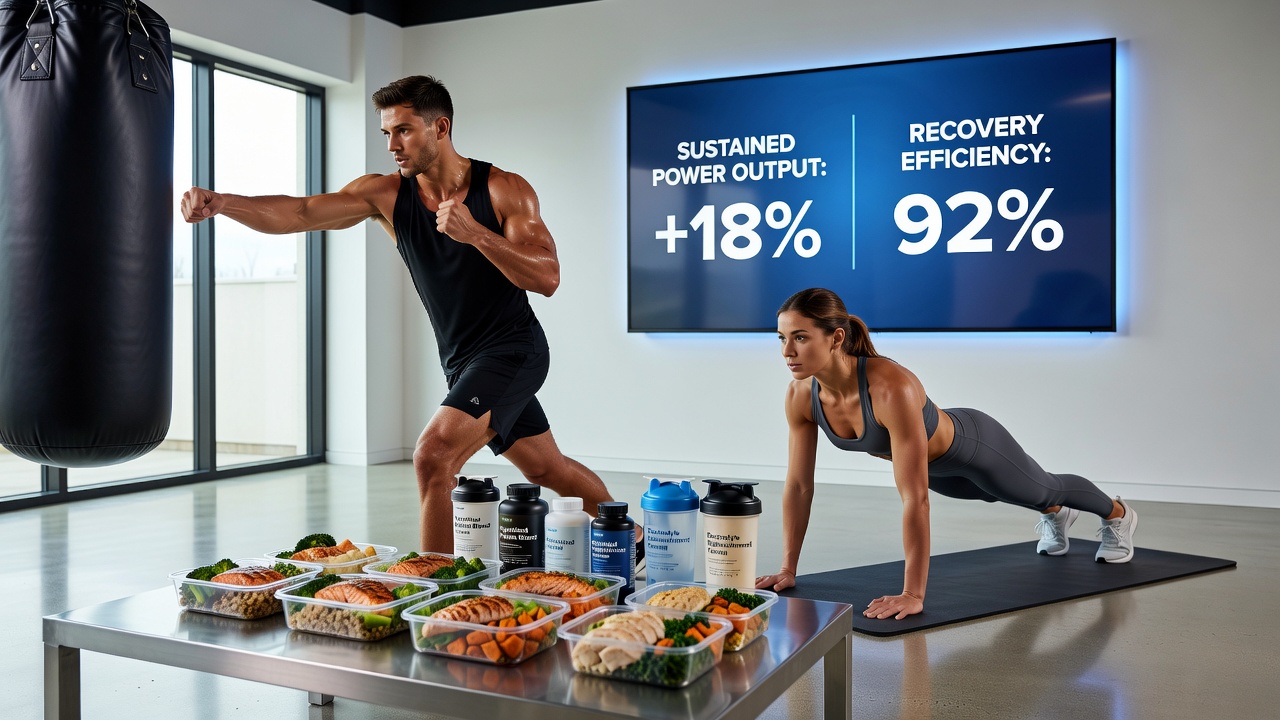 Case examples illustrate these patterns in practice. One welterweight contender maintained a 12-fight win streak after shifting from chronic low-carbohydrate dieting to carb cycling that matched sparring intensity. A floor exercise specialist extended her competitive career by four seasons once she incorporated daily tart cherry concentrate to manage joint inflammation. A lightweight sculler improved her ergometer score by 2.8 percent after adopting bicarbonate and beta-alanine stacking under laboratory supervision. Emerging compounds continue to enter the conversation. Ketone esters, which elevate blood beta-hydroxybutyrate without carbohydrate restriction, have undergone testing in mixed training groups that include boxers and rowers. Early results suggest modest improvements in time-to-exhaustion during repeated high-intensity intervals, though cost and taste remain barriers to widespread adoption. Beetroot juice providing 5 to 8 millimoles of nitrate has documented effects on economy of movement in both sculling and high-repetition bodyweight circuits. Regulatory bodies such as the National Institutes of Health Office of Dietary Supplements continue to update monographs that athletes adn support staff reference when evaluating new products. Meanwhile, the European Parliament Committee on Environment, Public Health and Food Safety reviews labeling standards that affect supplement availability across member states. Longitudinal tracking shows that athletes who integrate blood biomarker panels every 8 to 12 weeks adjust micronutrient intake more effectively than those relying on generalized recommendations. Iron status, omega-3 index, and vitamin B12 levels receive particular attention because deficiencies directly impair oxygen transport and neural firing patterns required in all three disciplines.
Conclusion
Collectively, these dietary advancements demonstrate measurable links to sustained high-level output when applied consistently across boxing, floor exercises, and sculling. Continued integration of sensor technology with established nutrition science promises further refinement, while regulatory oversight ensures safety remains central to implementation.