Revealing How Biometric Feedback Loops Have Modified Training Regimens and Competition Strategies in Court and Pitch Based Sports
Lars Schwarz · Jul 18, 2026
Revealing How Biometric Feedback Loops Have Modified Training Regimens and Competition Strategies in Court and Pitch Based Sports
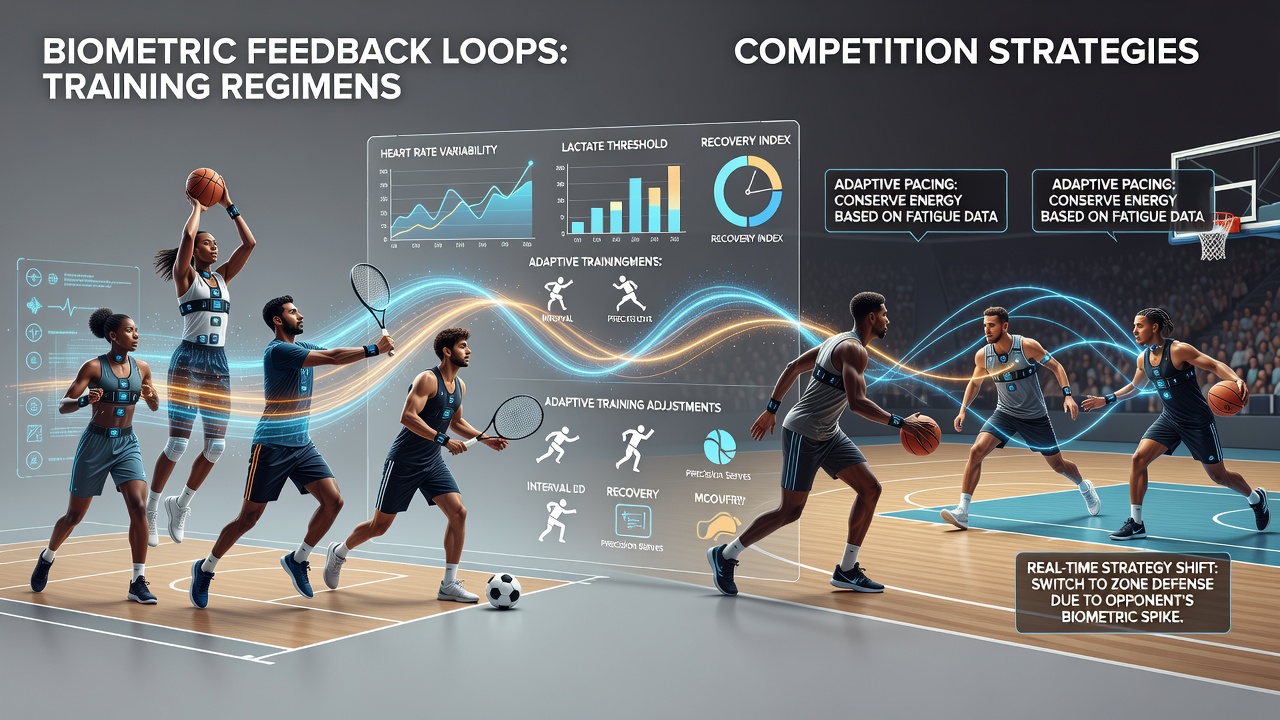
Data from wearable devices now shapes daily decisions in sports like basketball, tennis, soccer, and baseball where athletes train on courts or pitches, and feedback loops connect sensors directly to adjustments in workload and tactics. Heart rate variability, muscle oxygen saturation, and GPS-derived movement patterns feed into algorithms that flag recovery needs or highlight overexertion risks before coaches finalize session plans.
Core Mechanisms Behind Feedback Integration
Teams collect continuous streams of physiological data through chest straps, armbands, and smart fabrics, then route the information into centralized platforms that generate daily readiness scores. When thresholds drop below established baselines, trainers reduce high-intensity drills and substitute lower-load alternatives such as technical skill work or mobility routines, and this cycle repeats across multiple sessions each week.
Studies conducted by the Australian Institute of Sport have documented how these loops alter periodization models, shifting emphasis from fixed weekly mileage targets to individualized load management based on real-time recovery markers. Pitch-based squads in soccer apply the same approach during pre-season camps, where GPS units track total distance and acceleration counts while optical sensors monitor sleep duration and quality overnight.
Applications in Court-Based Environments
Basketball programs at both professional and collegiate levels use biometric dashboards to decide which players participate in full-contact scrimmages on any given day, and tennis academies monitor serve velocity alongside lactate thresholds to determine when rest intervals should extend during practice blocks. Observers note that these adjustments reduce soft-tissue injury reports during congested tournament schedules, particularly when athletes travel across time zones.
Volleyball squads have incorporated forearm-worn devices that record jump counts and landing forces, allowing strength coaches to modify blocking drills when asymmetry appears in the data. The feedback arrives within minutes of each set, enabling immediate rotation changes that protect athletes showing early signs of fatigue accumulation.
Adjustments Across Pitch Sports
Soccer clubs integrate biometric outputs into tactical meetings where coaches review heat maps overlaid with heart-rate zones to refine pressing triggers and recovery runs during match simulations. Baseball organizations apply similar metrics to pitching staffs, tracking elbow torque estimates alongside velocity readings so bullpen sessions can be shortened when recovery scores indicate elevated stress levels.
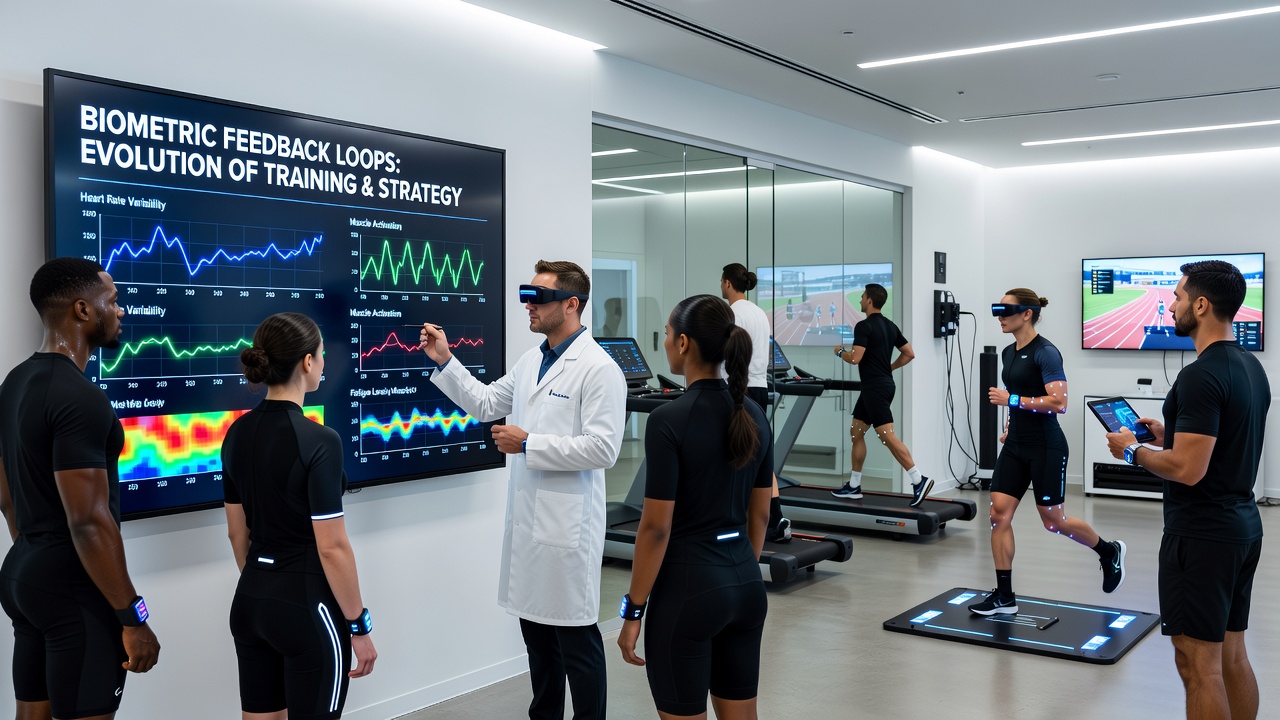
Cricket franchises have adopted the same technology for fast bowlers, whose workloads receive daily caps derived from combined accelerometer and heart-rate data, and these caps now influence selection decisions for multi-format series that span several weeks. Research published through European sports science networks shows measurable drops in reported soreness when such protocols remain consistent over an entire season.
Strategic Shifts During Competition
Live biometric streams appear on sideline tablets during games, allowing staff to request substitutions when an athlete's heart-rate recovery between shifts slows beyond expected parameters. In July 2026 several international tournaments tested expanded use of these streams under league guidelines that permit medical staff to access anonymized aggregates without disrupting play.
Coaches in both court and pitch settings now script in-game adjustments around predicted fatigue curves rather than relying solely on visual observation, and substitution patterns have shifted accordingly with more frequent but shorter rotations appearing across basketball and soccer lineups. Data indicates these changes maintain higher average intensity levels throughout contests while lowering late-game error rates tied to physical decline.
Implementation Challenges and Ongoing Refinements
Calibration remains essential because individual baselines vary widely, and staff must validate sensor accuracy against laboratory tests at regular intervals. Integration with existing video analysis platforms has improved interpretation speed, yet organizations continue to invest in staff training so that biometric signals translate into clear tactical recommendations rather than raw numbers alone.
League-wide data-sharing agreements have emerged in several circuits, enabling comparative benchmarks across teams while maintaining privacy controls, and these agreements support longitudinal studies that track how feedback loops influence career longevity metrics over multiple seasons.
Conclusion
Biometric feedback loops continue to embed themselves into the operational fabric of court and pitch sports through iterative cycles of measurement, interpretation, and adjustment. The resulting modifications appear in daily training prescriptions as well as in the timing and nature of in-game decisions, supported by expanding datasets that span professional leagues worldwide.