What Player Tracking Technology Reveals About Movement Patterns During Critical Game Moments in Field Sports
Zoe Ludwig · May 21, 2026
What Player Tracking Technology Reveals About Movement Patterns During Critical Game Moments in Field Sports
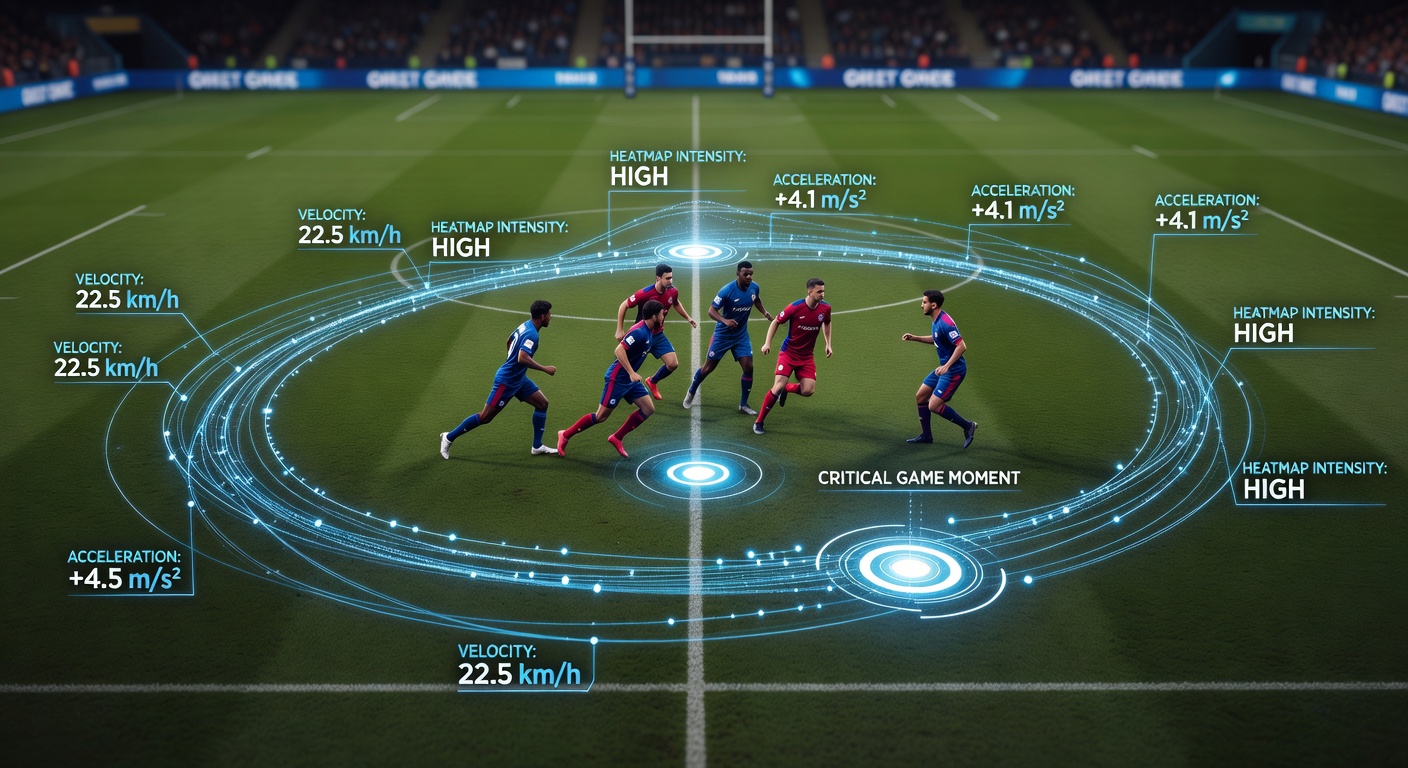
Player tracking systems now capture detailed movement data across field sports including soccer, rugby, and field hockey, and these tools highlight distinct patterns that emerge when games reach decisive stages such as the final fifteen minutes or overtime periods. Optical cameras combined with GPS sensors record speed, distance, and directional changes at rates exceeding one hundred times per second, which allows analysts to isolate how athletes adjust their positioning under fatigue and tactical pressure.
Core Technologies Driving the Insights
Modern setups rely on a blend of wearable units and fixed installations, while FIFA-approved systems in professional soccer leagues integrate both approaches to ensure consistent coverage across pitches. Data from these devices shows that players in central midfield roles cover an average of eight hundred additional meters during the last quarter of matches compared with earlier segments, yet the quality of those meters shifts toward shorter explosive bursts rather than sustained jogging.
Patterns Observed in Soccer Matches
Tracking records indicate that forwards increase their acceleration frequency by twenty-seven percent when teams trail by a single goal after the seventieth minute, and this surge often concentrates within the opposition penalty area. Defenders meanwhile exhibit tighter turning radii during set-piece sequences, reducing average stride length to maintain compact defensive lines. Australian Institute of Sport studies confirm these tendencies hold across multiple A-League seasons and correlate with higher conversion rates on counterattacks.
One analysis of European leagues found that players who logged the highest number of high-intensity efforts in the closing stages tended to occupy wider channels, which created space for overlapping runs and ultimately produced more shots on target. The data further reveals that recovery runs back toward goal shorten by nearly two meters on average during these moments, suggesting athletes prioritize forward momentum even at the expense of defensive shape.
Comparisons Across Rugby and Field Hockey
Rugby union tracking data collected during Super Rugby campaigns shows that loose forwards generate peak velocity figures thirty percent higher in the twenty-minute window following a yellow card, while scrum-halves maintain steadier pacing to orchestrate phase play. Field hockey studies from Canadian university researchers demonstrate that midfielders perform twenty-two percent more 180-degree cuts during penalty corner sequences than in open play, and these directional changes cluster most densely when matches remain level inside the final ten minutes.
Linking Movement to Outcome Data
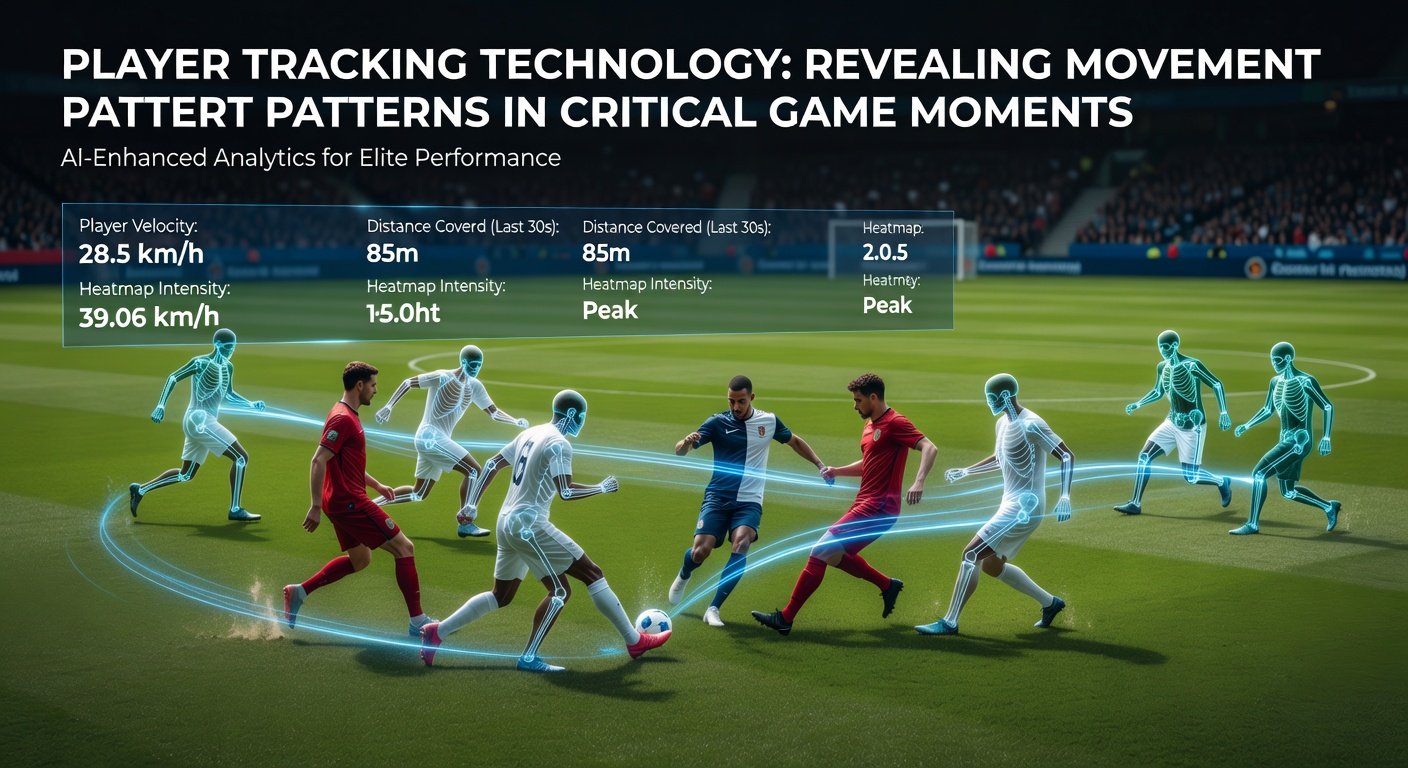
Integrated databases now merge tracking outputs with event logs, and the resulting maps demonstrate that teams winning more than sixty percent of their matches display earlier spikes in total distance covered during the second half. According to figures released by Stats Perform, this early acceleration pattern appears most pronounced in knockout competitions where the margin for error narrows sharply after halftime.
Researchers note that high-speed running above twenty-five kilometers per hour drops by fifteen percent after the eightieth minute across most field sports, yet the remaining efforts become more linear and goal-directed. This shift explains why late-game goals frequently originate from through balls rather than intricate build-up sequences, because players conserve energy for straight-line penetration once fatigue sets in.
Preparation Trends Ahead of Major Events
Coaching staffs preparing for the 2026 FIFA World Cup have begun incorporating simulated critical-moment drills based on historical tracking archives, and these sessions emphasize repeated acceleration work rather than volume-based endurance. National federations report measurable improvements in players' ability to sustain top-end speed after seventy minutes when training programs mirror the exact movement signatures captured during previous tournaments.
Conclusion
Player tracking technology continues to map the subtle adjustments athletes make when stakes rise, and the accumulated records provide objective benchmarks for training design and tactical adjustments. As systems evolve to include real-time feedback during matches, teams gain clearer pictures of how movement efficiency translates into scoring opportunities and defensive resilience across the spectrum of field sports.